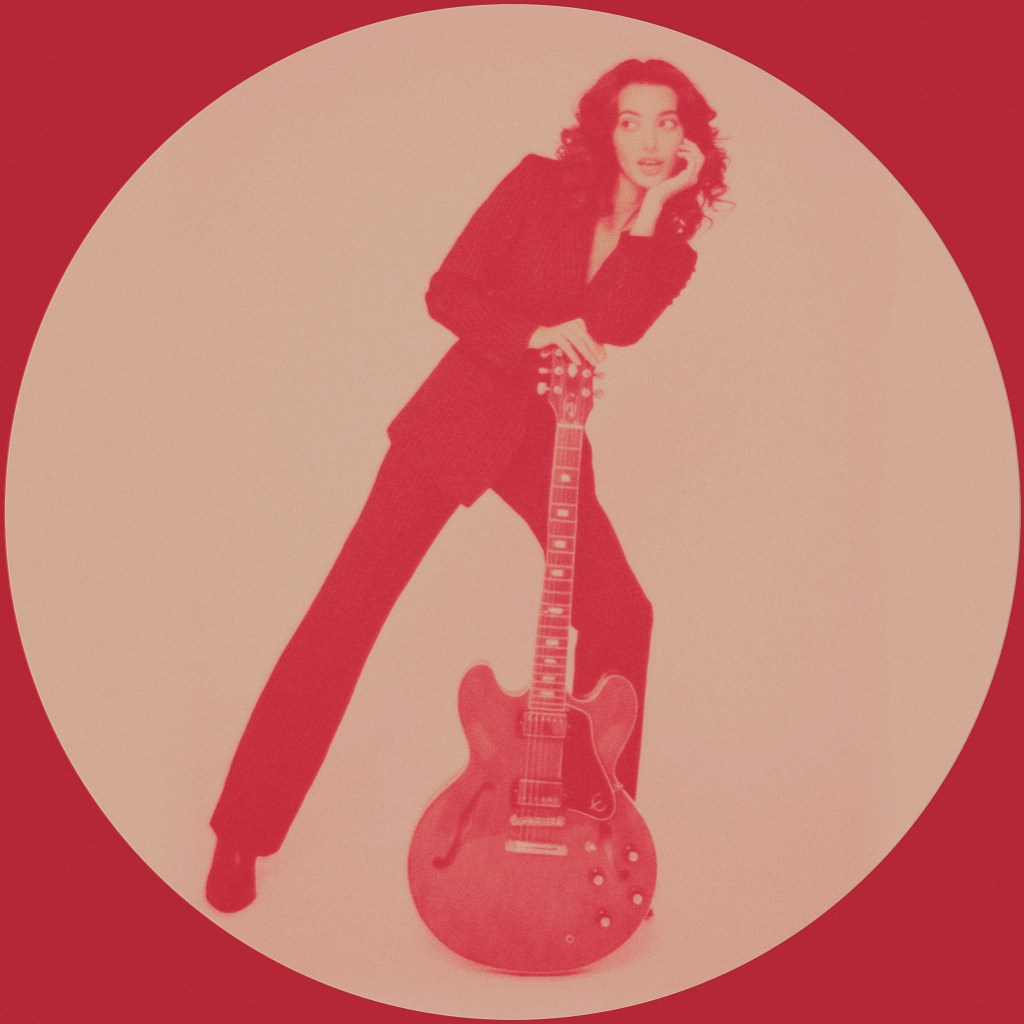
I’m twenty-one years old, and I’ve been creating art for as long as I can remember. Which is to say, long before I knew what to call it, or how to explain it to people who favour clarification over experience; the sort who like their mysteries pre-labelled and their answers wearing ties. Art, after all, has a habit of arriving uninvited and refusing to introduce itself properly. It rarely fits the form it’s given, and when it does, it usually means it’s been told off, sat down, and asked to behave like a proper noun.
There exists, nowadays, a curious expectation that art ought to act. Not as much in the moral sense (that is a conversation for some other time) as in the organisational one. It must sit still, choose a category, pick and wear a label that can be printed neatly, one and the same. Consistency, I’m told, builds identity. Asphalt also benefits from consistency, but it is not generally regarded as art. Unless one is particularly fond of roads.
Art tends to be something else entirely: insubordinate, occasionally contradictory, defiant even, and not terribly sorry about it. It is often dismissed for its tendency to change its mind halfway through a sentence sometimes before finishing the thought, sometimes instead of having one at all. It resists being reduced to a single tone of voice, much like a person who has lived long enough to acquire more than one thought. To insist that It remain in one place, one genre, one sound, one image, one neatly contained version of itself, feels rather like asking the weather to specialise in being only sunny, or rainy, or windy; preferably on schedule. One might manage that for a while, but in the long run, it proves rather counterproductive.
It lies in the matter of creating it. A song, for instance, is brought to life in flowing fragments; and in the moment I outsource the essence of it, I’ve already lost. Not commercially, perhaps. But artistically? Utterly. It must be written, composed, arranged, played, recorded, dismantled, reassembled, and eventually released into the world, where it will be interpreted and misunderstood in ways both flattering and unfortunate. Sometimes simultaneously. There are ideas that refuse translation, they insist on being carried out by the same hands that conceived them. I hear things in a certain manner and I’ve yet to find someone reckless enough to follow me there. It is not unusual, then, to find that the person writing the piece is also the one composing it, arranging it, playing it, recording it, adjusting it, and, in quieter moments, wondering why they didn’t take up something simpler, like accounting. Which, to its credit, rarely argues back. This is not a rebellion so much as a necessity. The work demands it.
None of this suggests singularity. Quite the opposite, rather. It implies a certain multiplicity of roles, of decisions, of small, invisible labours that accumulate into something that sounds deceptively simple.
One begins to suspect that art is less interested in identity than it is in continuation. It wants to keep moving from sound to sound, from idea to idea. Without wishing to confirm whether it still resembles what it was a moment ago, or whether it ever did. Corporate identity, on the other hand, prefers stillness. It likes things that can be recognised instantly and repeated indefinitely. It is very good at remembering what something was, and somewhat less interested in what it might become.
Art is rarely so cooperative. It changes, it evolves. Which is precisely why it works. To create art is not to define it once and for all, but to follow as it develops, to accompany it into its own sort of metamorphosis; to write when it yearns for words, to play when it craves for sound. And perhaps that is the crux of it, precisely. To create and create and create the kind of art that expands to fill whatever space it’s given, without the obligation to resemble oneself too closely.
After all, if art was meant to conform, it would have done so by now.
Joan Lenine

 Joan Lenine
Leave a comment